Dust And Debris Control On A Demolition Site
Water on the material, containment at the property line and a site swept every evening. The three habits that decide how a demolition is remembered.
A demolition is loud for two days and dusty for about ten minutes at a time. What the street remembers is whether the dust stayed on your lot and whether the sidewalk was clean at five o clock. That is not a courtesy, it is a compliance issue in the Bay Area, and it is written into how we run every job.
Legacy Demolition is a licensed local crew based in El Sobrante, working across Contra Costa and Alameda County with one fixed written number per job, permits and disposal included.
Water Is The Whole Strategy
Dry material makes dust, wet material does not. A hose or a water trailer runs on the working face the entire time the machine is breaking, not in bursts afterward. Drywall, plaster and old stucco are the worst offenders on a house, and concrete cutting is the worst on a slab, which is why a wet saw is standard on our crews rather than an upgrade.
What Containment Actually Looks Like
- Perimeter fencing with screen. Stops airborne debris at the line and keeps people out of the work area after hours.
- Wetting at the point of work. Water on the material as it breaks, not on the pile after it lands.
- Direct loading. Material goes from the building into the box or the truck. A pile that sits for three days dries out and blows.
- Street and sidewalk sweeping. Tracked out soil on the pavement is both a nuisance and a stormwater violation once it rains.
- Covered loads. Every truck leaving the site is tarped, every time.
Planning A Project In The East Bay?
Free on-site estimate anywhere in Contra Costa or Alameda County. One fixed written number, permits included.
Get My Free EstimateOlder Buildings Change The Rules
Anything built before 1978 is assumed to have lead paint until tested, and anything before the early eighties can hold asbestos. On those jobs dust control stops being about the neighbors and becomes about the crew and the regulations. Wetting, containment and disposal all move up a level, and abatement happens before demolition rather than during it.
That is why the survey comes first on every teardown. What the lab finds decides how the site is set up on day one. The full sequence is in our post on asbestos and lead testing before a teardown.
Stormwater Is The Quiet One
Soil and fine debris that leave the property and reach a storm drain are a real violation with a real fine, and in the East Bay the first rain after a dry summer is when inspectors pay attention. Inlet protection, a stabilized entrance and a swept street are what keep a site out of trouble between October and April.
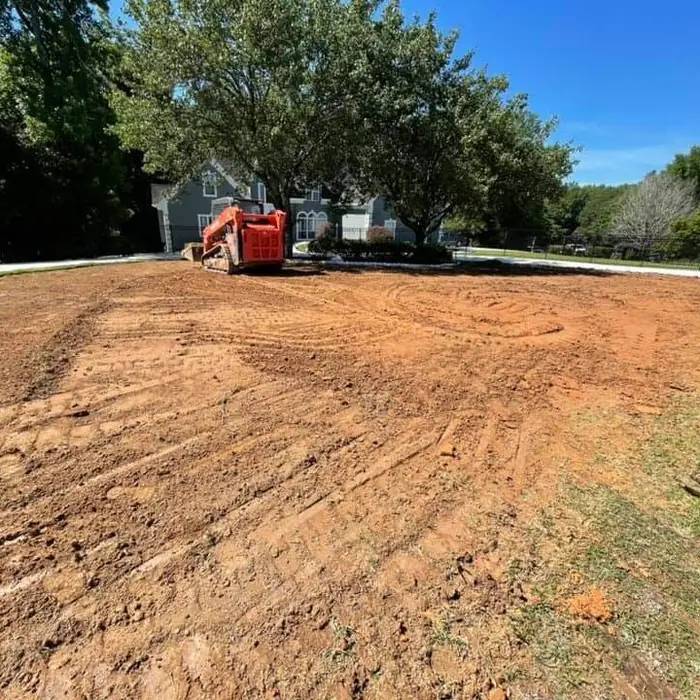
Sites over an acre of disturbance carry a full stormwater plan and a notice of intent. Smaller residential jobs still need the basics in place, and we set them up as part of mobilization rather than after the first forecast. Our excavation and grading work follows the same rules once the structure is down.
The Clean Site Test
At the end of each day the question is simple. Could a neighbor walk past and not know a demolition happened here today, apart from the building being smaller. Sidewalk swept, street clear, fencing closed, loads covered, nothing loose that a night wind can move.
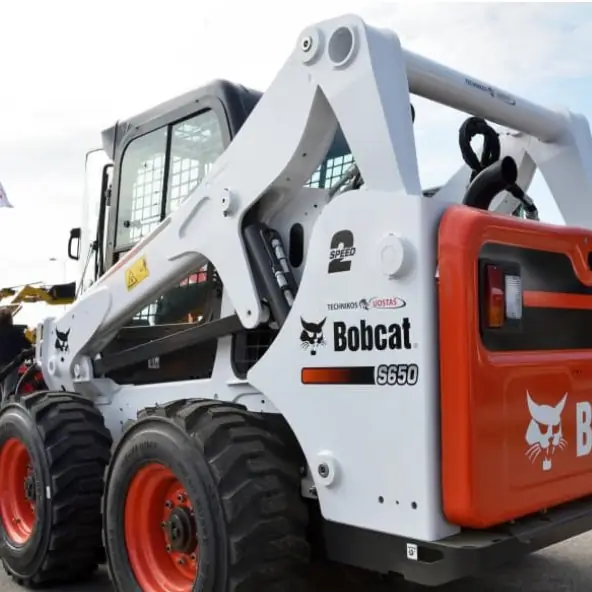
It costs a crew about twenty minutes a day and it is the reason we get called back to the same streets. What happens to everything we load out is covered in where demolition debris goes, and the way we stage material on tight lots is in bobcat services for tight backyards.
Nobody calls the city about noise. They call about dust on their cars.
Legacy Demolition site leadCommon Questions
Do you need a water truck on a residential teardown?
On most single family jobs a hose with adequate pressure is enough. Larger structures and dry windy days get a water trailer.
Who is responsible if debris blows onto a neighbor property?
The contractor running the site. That is one reason to confirm the demolition contractor is licensed and insured before work starts.
Is there a limit on working hours?
Every East Bay jurisdiction sets its own noise window, and most residential work runs from morning to late afternoon on weekdays. We confirm it per city.
What happens on a rain day?
Work stops, the site is secured, inlet protection is checked and loose material is covered. Restart is usually the next dry morning.
Every project starts with a free on-site walk-through. Call (510) 804-1333 or request your free estimate.
Wet, contained, and swept every evening.
Legacy Demolition runs dust control, perimeter containment, covered loads and daily street cleanup on every job, so the site stays compliant with stormwater and air quality rules and the street stays usable while the work is underway.
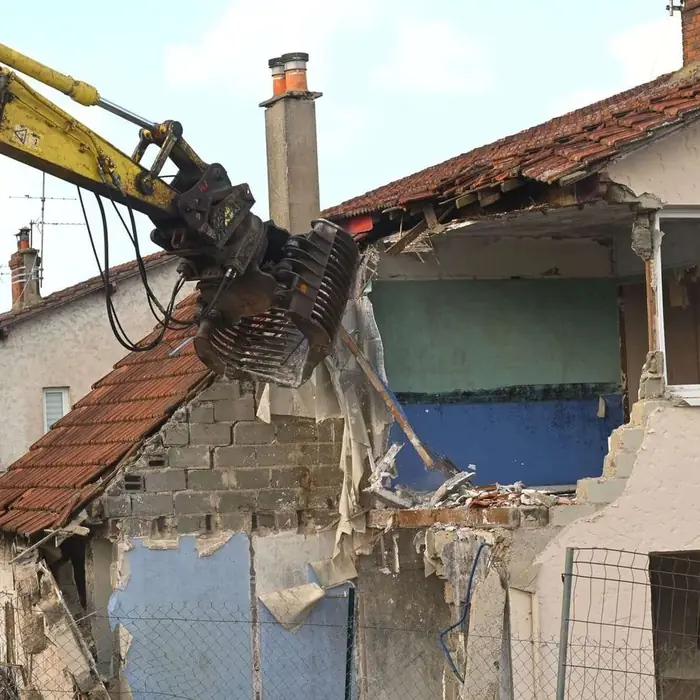 Residential Demolition
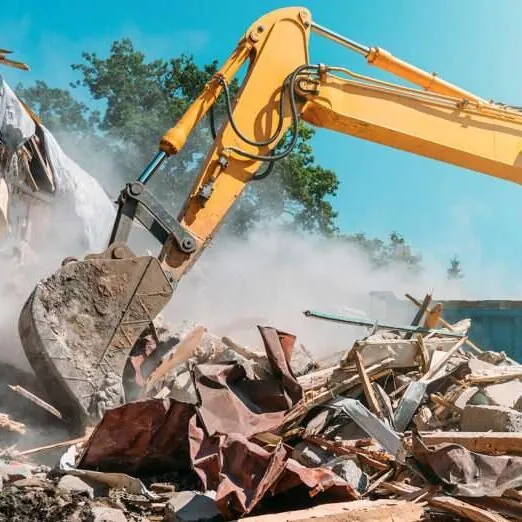 Commercial Demolition
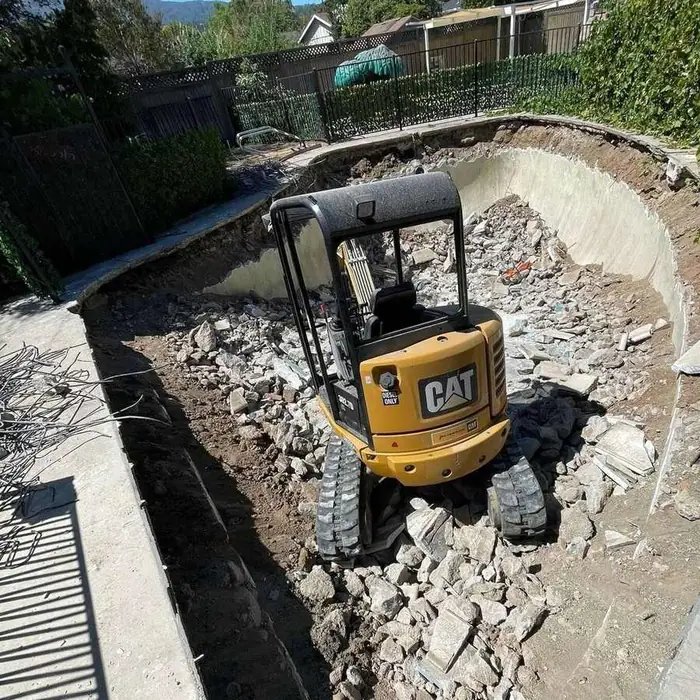 Pool Removal
 Excavation
 Concrete Removal
 Driveway Removal
 Land Clearing
 Dirt & Grading
 Bobcat & Excavator