Utility Disconnects Before A Teardown
Gas, electric, water and sewer each have their own agency, their own lead time and their own piece of paper. Here is the order that keeps a demolition on schedule.
The single most common reason an East Bay demolition slips is not weather and it is not the permit desk. It is a utility that was never called. Four different agencies have to sign off on one building, none of them talk to each other, and the county inspector will stand at the final and look for capped lines with his own eyes.
Legacy Demolition is a licensed local crew based in El Sobrante, working across Contra Costa and Alameda County with one fixed written number per job, permits and disposal included.
Four Agencies, One Building
Contra Costa County asks for a PG&E utility release before it issues a demolition permit, and its own handout is blunt about the end of the job: the capped off utilities have to be visible at the time of the final inspection. That single sentence is why the order matters. Cap them in the wrong sequence and you are re-excavating a trench you already backfilled.
The Order That Works
- Gas first. PG&E schedules the service disconnect and pulls the meter. This is the longest lead time of the four and the one you start on day one.
- Electric next. Overhead or underground service is cut and the meter comes off. On some lots the pole stays for temporary power during the work.
- Water after that. The water district closes the service and removes the meter. The stub at the property line gets capped and stays exposed.
- Sewer cap. The sanitary district issues the clearance and the lateral is capped at the property line, inspected before anything is backfilled.
- Then the machine. Nothing structural comes down until all four are confirmed and the paperwork is in the permit file.
Planning A Project In The East Bay?
Free on-site estimate anywhere in Contra Costa or Alameda County. One fixed written number, permits included.
Get My Free EstimateThe Sewer Cap Is The One That Bites
Sanitary district approval is a separate sign off from the building permit, and in the East Bay it is a different agency depending on which side of a line your parcel sits. The cap itself is an hour of work. Getting the district scheduled to look at it, and getting the demolition inspector to see it still open, is what turns it into a week.
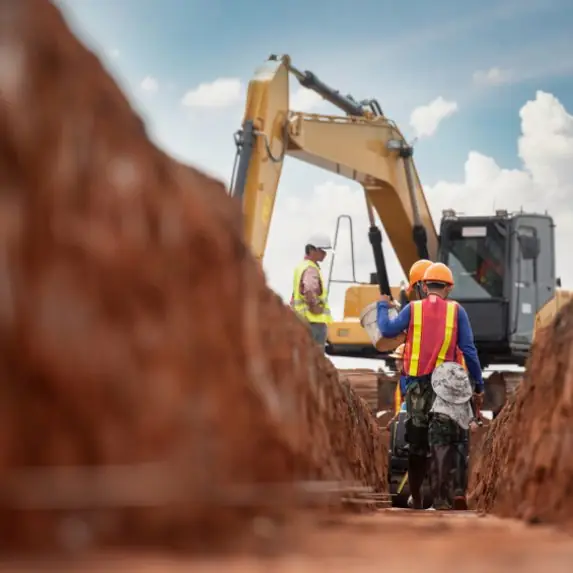
We dig and expose the lateral early, before the structure comes down, so the cap and the inspection happen while the crew is still doing soft demolition inside. That way the trench is already signed off when the excavator starts and the backfill goes in once instead of twice.
What Happens If You Skip One
A live gas line inside a building that is coming down is the reason this process exists. Beyond the obvious, an uncapped water service floods the excavation, an open sewer lateral is a direct path for debris and stormwater into the district main, and any of the three will fail the final inspection and leave the permit open.
An open demolition permit follows the parcel. It shows up when the owner sells, when the next permit is pulled and when a lender asks for a clean title search. Closing it later means re-exposing what you buried. Our excavation crew handles the trenching for all of this on the same mobilization.
Timing It Against The Air District Clock
The Air District notification runs ten business days on the standard path, so the utility calls and the asbestos survey belong in the same week. Done in parallel, the whole front end of a teardown is about three weeks. Done one after the other it is six, and the cost of that gap is carrying the property, not carrying the crew.
On a full house we make the four utility calls the same morning the survey is ordered. Details on the survey side are in our post on asbestos and lead testing before a teardown, and the permit sequence itself is covered in demolition permits in Contra Costa County.
Nobody remembers who pulled the permit. Everybody remembers the week the gas meter was still on the wall.
Legacy Demolition site leadCommon Questions
Can the demolition contractor call PG&E for me?
Yes, and we do. The account holder still has to authorize the disconnect, so we need the owner on the first call.
How long does a gas and electric disconnect take?
Plan on two to three weeks from the request in most of the East Bay. It moves faster when the request goes in before the permit application rather than after.
Does the water meter have to be removed or just shut off?
The district normally removes the meter and the service is capped at the property line. A closed valve alone does not satisfy the final inspection.
Who caps the sewer lateral?
A licensed contractor does the work and the sanitary district inspects it. The cap has to stay visible until both the district and the building inspector have seen it.
Every project starts with a free on-site walk-through. Call (510) 804-1333 or request your free estimate.
Four agencies, one call sheet. We make the calls.
Legacy Demolition opens the PG&E release, coordinates the water and sanitary districts, exposes and caps the lateral, and keeps everything visible for the final inspection so the permit closes the day the site is clean.
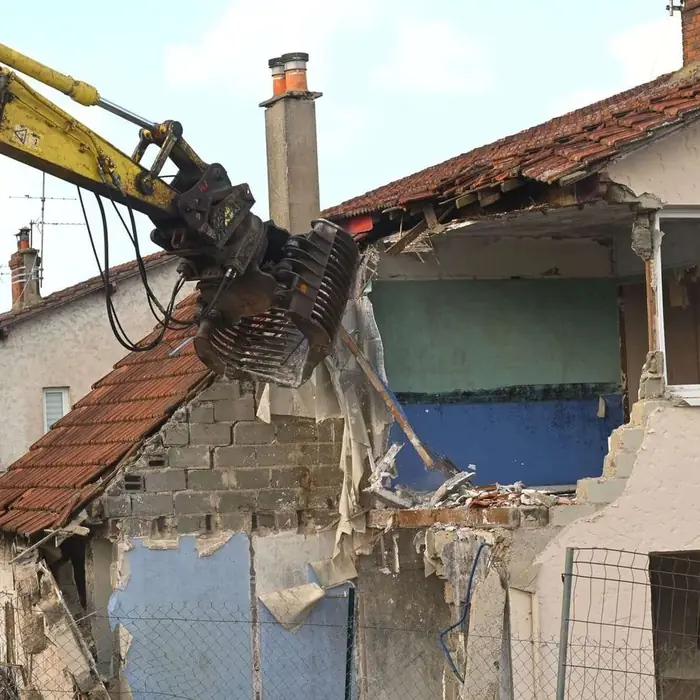 Residential Demolition
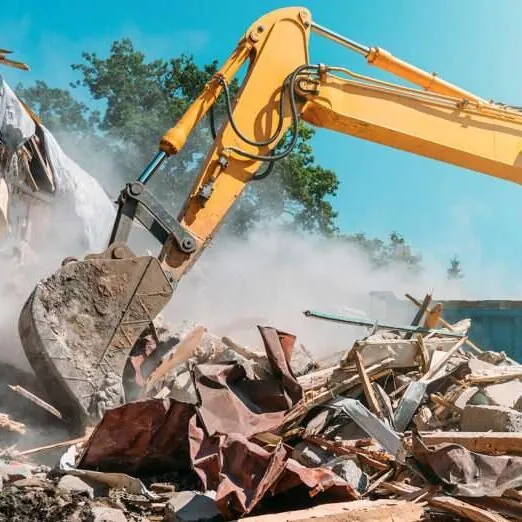 Commercial Demolition
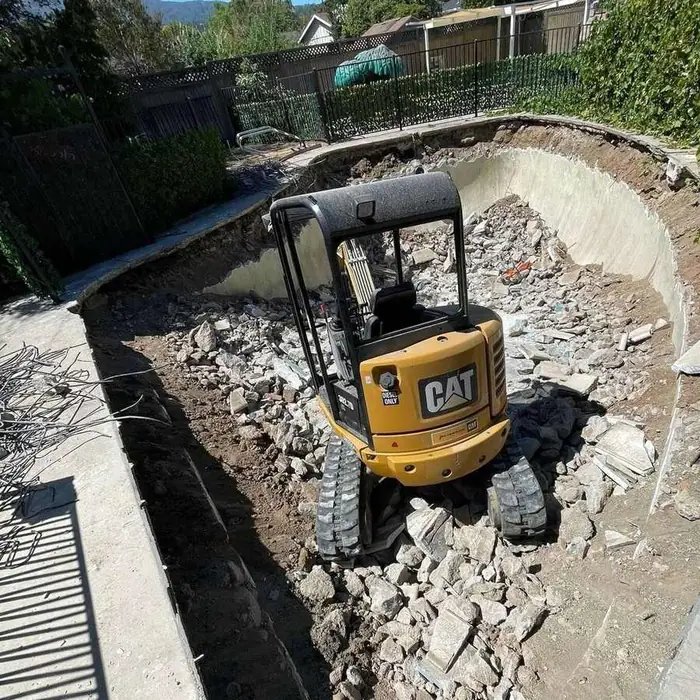 Pool Removal
 Excavation
 Concrete Removal
 Driveway Removal
 Land Clearing
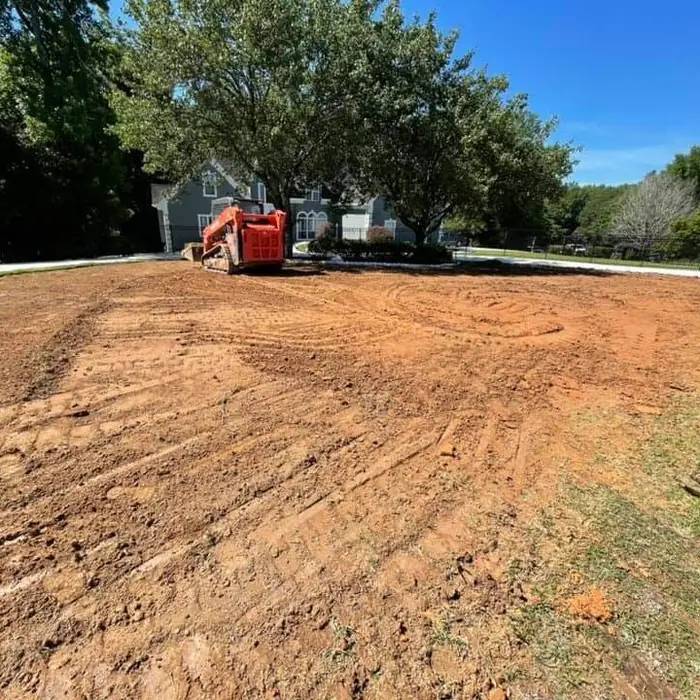 Dirt & Grading
 Bobcat & Excavator