Why a Detached Garage Changes the Whole Demo Plan
Learn how the position, access and site layout of a detached garage shape every decision your demolition crew makes before work begins.
A detached garage sitting at the back of a lot looks like a simple tear-down on paper. Then the crew pulls up, scans the yard and starts asking questions the homeowner never thought about. Where does the excavator enter, where does debris stage and what happens to the fence, the utility lines and the neighbor's tree that hangs over the roofline.
Rhino Excavation and Demolition serves Contra Costa and Alameda County homeowners and contractors across the East Bay. We have pulled permits, managed utility disconnects and cleared tight residential lots from Concord to Oakland and everywhere in between.
Why Location on the Lot Is the First Thing We Evaluate
The moment a project manager walks a property, the first question is not what the garage is made of. It is how the crew gets to it. A structure sitting thirty feet behind the main house with a six-foot gate opening between them creates a fundamentally different job than one with a wide side yard and direct street access.
Equipment size is determined by the tightest point on the path from the street to the structure. A full-size excavator may never make it past a narrow side yard, which means smaller equipment, more manual labor and more haul trips. Smaller equipment is not a problem, but it changes the schedule, the crew size and the approach to shoring up soft ground along the access path.
What the Crew Has to Confirm Before Anything Comes Down
- Utility connections first. The garage may have its own electrical subpanel, a gas line for a heater or a water supply for a sink, and each one requires a licensed disconnect before demolition starts.
- Fence and gate clearance second. Temporary fence panels often need to come down and go back up after haul-out, which adds coordination time that should be in the schedule from day one.
- Overhead lines third. Low-hanging service drops from the house to the garage are common in older East Bay neighborhoods and PG&E needs to be notified before any equipment moves underneath them.
- Ground condition fourth. Concrete paths, old tree roots and saturated soil all affect whether a machine can reach the structure without sinking or cracking hardscape you want to keep.
- Neighbor notification fifth. Alameda and Contra Costa County permit offices may require notice to adjacent property owners, and crews working close to shared fences benefit from that conversation happening early.
Not Sure What Your Lot Requires?
Send us your address and a couple of photos and we will tell you exactly what access and permit steps your project needs before you commit to anything.
Get My Free EstimateHow Structure Type Shapes the Demolition Method
Wood-framed garages from the 1950s and 1960s are common across Walnut Creek, Berkeley and San Leandro. They come down quickly with the right equipment but the framing often hides old insulation, single-pane asbestos-backed panels or lead paint that triggers a hazmat survey before the first wall falls. Skipping that step is not an option on a permitted job in California.
Concrete block or masonry garages take more time and more machine power to break apart. The rubble is heavier per cubic yard, which affects how many haul trips the project requires and whether the access path can handle the loaded truck weight. That calculation starts with the lot layout, not with the structure itself.
Staging, Debris and the Final Site Condition
Debris has to go somewhere before it goes in a truck. On a tight lot with no side yard, that means the project manager has to decide whether the driveway can serve as a temporary staging area or whether the street requires a permit for a roll-off container. Both options work, but each one needs to be arranged before the crew shows up.
After the structure is gone, the slab decision comes next. Some homeowners want it out because they are putting in a garden or an ADU foundation. Others want to keep it for a future project. Removing a slab adds excavation time and raises the question of what to do with the sub-base material underneath. That conversation is part of the initial site walk, not an afterthought. Related reading: What Happens to the Ground After a Garage Comes Down and What Happens During an Interior Demo Walk-Through.
The lot tells us the plan. The structure just confirms it.
Legacy Demolition site leadCommon Questions About Detached Garage Demolition
Do I need a separate permit just to tear down a detached garage?
In most Contra Costa and Alameda County jurisdictions, yes, a demolition permit is required even for a detached accessory structure. The permit process also triggers utility disconnect requirements and sometimes a hazmat inspection.
What if my only access is through a gate that is too narrow for equipment?
Crews work through narrow access points regularly using compact excavators or by hand-demolishing sections to open a wider path. The trade-off is time, and that factors into the project estimate from the start.
Can the concrete slab stay after the garage comes down?
Yes, and many homeowners choose to keep it for parking or storage use. If the slab shows significant cracking or heaving, the project manager will flag that so you can make an informed decision before work begins.
How long does a detached garage demolition typically take in the East Bay?
A straightforward wood-frame garage with good access and no hazmat concerns often wraps in a single day once the permit is in hand. Tight access, masonry construction or a haul route that requires multiple trips can extend that timeline.
Every project starts with a free on-site walk-through. Call (510) 804-1333 or request your free estimate.
Licensed, insured, and local to the East Bay.
Legacy Demolition is a licensed demolition and excavation contractor based in El Sobrante, working across Contra Costa and Alameda County. One fixed written number per job, with permits, utility coordination and disposal included.
 Residential Demolition
 Pool Removal
 Excavation
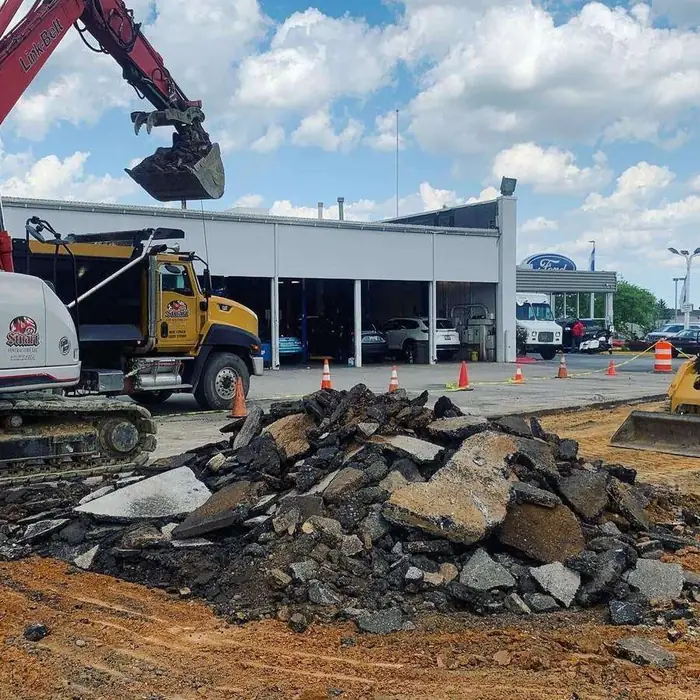 Concrete Removal
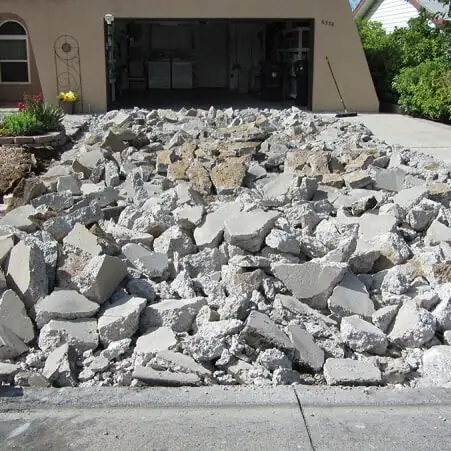 Driveway Removal
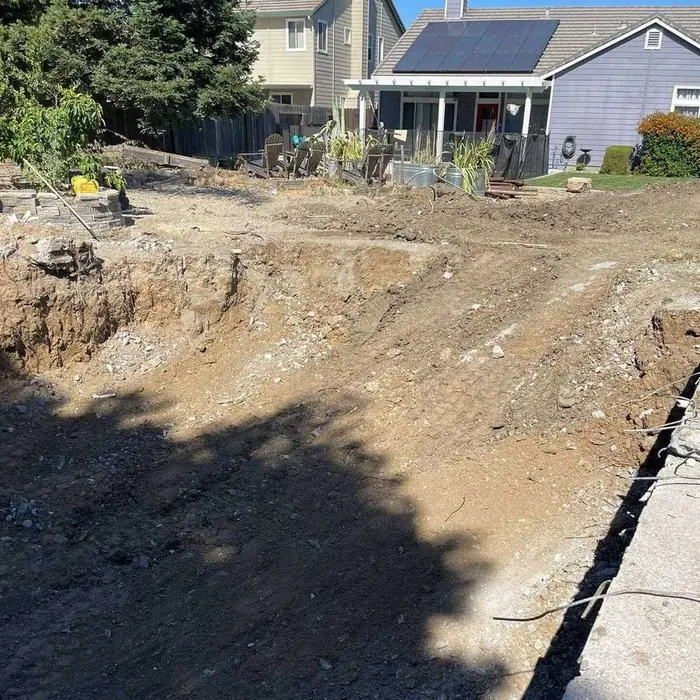 Land Clearing
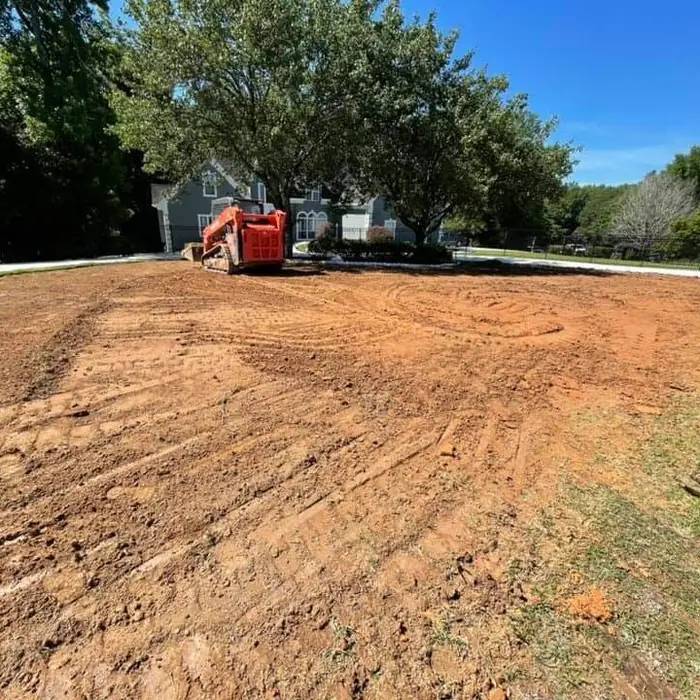 Dirt & Grading
 Bobcat & Excavator
 Commercial Demolition