Interior Demolition And Strip Outs
Taking a house or a suite down to the studs without touching the structure. What comes out, what stays, and why the debris is the part that sets the schedule.
A strip out is demolition with a scalpel. The shell stays, the roof stays, the framing that carries load stays, and everything else leaves the building in about the same number of days it would take to knock the whole thing down. The work is slower per square foot and the cleanup is heavier, which is the opposite of what most people expect.
Legacy Demolition is a licensed local crew based in El Sobrante, working across Contra Costa and Alameda County with one fixed written number per job, permits and disposal included.
What A Strip Out Actually Removes
On a residential gut we take out finish flooring and underlayment, drywall and lath, cabinets and casework, fixtures, interior doors and frames, non structural partitions, insulation, and usually the mechanical, electrical and plumbing back to the points the new plans call out. On a commercial suite add ceiling grid, lighting, ductwork, raised flooring and tenant improvements from the last two occupants.
What Stays Standing
- Bearing walls and posts. Anything carrying a roof or floor load stays until an engineer says otherwise and a separate permit covers the change.
- Shear walls. In a California house the plywood that resists lateral load is often the wall you most want gone. It needs a structural plan first.
- The exterior envelope. Siding, sheathing and roof stay so the building stays dry and the site stays secure between trades.
- Anything with a survey flag. Textured ceilings, old vinyl and duct mastic are sampled before the crew opens them, not after.
- Utilities in service. Panels and mains stay live and protected unless the plan disconnects them, since the trades that follow need power and water.
Planning A Project In The East Bay?
Free on-site estimate anywhere in Contra Costa or Alameda County. One fixed written number, permits included.
Get My Free EstimateDebris Is The Real Schedule Driver
A two thousand square foot house gut produces far more volume than the same house produces as a teardown, because the material comes out loose instead of compacted. Drywall alone can fill a twenty yard box. If the debris plan is one bin in the driveway and a rolling swap, the crew spends half its day waiting on a truck.
We size the boxes to the building and sort at the source. Clean drywall, metal, wood and cardboard each go their own way, which keeps the tipping cost down and produces the diversion documentation the county wants. The same sorting logic is covered in our post on where demolition debris goes.
Access Decides The Price
A ground floor suite with a roll up door and a second floor unit at the end of a corridor are the same square footage and not the same job. Stairs, elevators, shared lobbies, protected finishes in the common areas and a landlord who only allows work after six all show up in the number.
On tight residential lots the same is true at the curb. If there is nowhere to put a box, the material gets carried further and loaded into a trailer, and that is labor. Our bobcat and excavator work covers the sites where a machine can reach the back, which cuts the hand carrying out of the estimate.
Slab And Concrete Inside The Building
Plenty of strip outs end at the slab, but some keep going. Cutting a trench for new plumbing, removing an interior slab section for a foundation change, or breaking out a raised pad are all jackhammer and saw work inside a building with no ventilation and no room for a machine.
That work needs water for dust, exhaust management and a plan for getting broken concrete out through a door frame. It prices separately from the strip out and it belongs on the schedule before the trades arrive, not after. See our concrete removal page for how we handle slabs inside occupied buildings.
On a gut job the demolition is easy. Moving the material off the second floor is the job.
Legacy Demolition site leadCommon Questions
Do I need a permit for interior demolition?
In most East Bay jurisdictions yes, and the permit is tied to the remodel plans. Removing anything structural always needs one.
How long does a house gut take?
Two to five days of crew time for a typical single family house, plus box swaps. Commercial suites depend on building access hours.
Can you work around a tenant or a family still living there?
We can phase it, and it costs more. Dust containment, daily cleanup and shorter working windows all add crew hours.
Is asbestos testing required for a strip out?
Yes, and it matters more than on a teardown, because the surfaces that stay in place keep whatever the crew disturbs in the building.
Every project starts with a free on-site walk-through. Call (510) 804-1333 or request your free estimate.
Down to the studs, swept and ready for the next trade.
Legacy Demolition runs selective interior demolition for remodels, tenant improvements and full gut renovations across the East Bay, with containment, sorted debris and a slab left clean enough to start framing on.
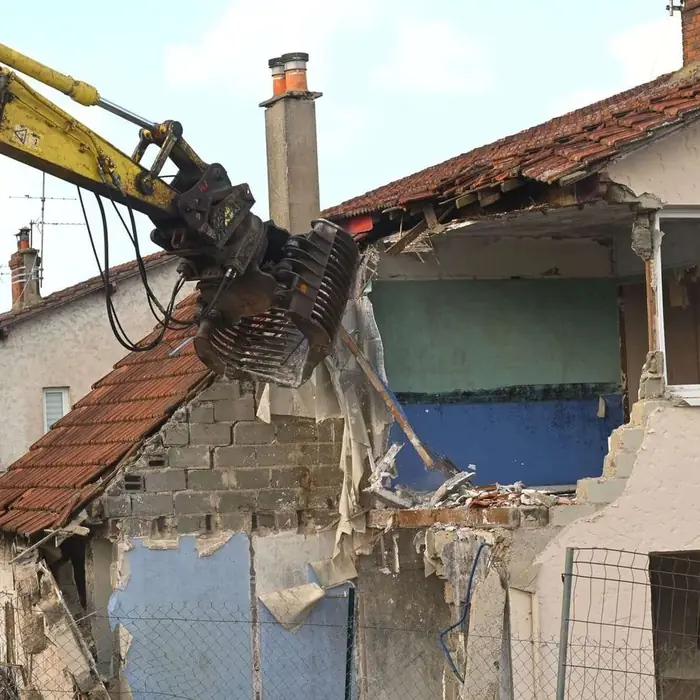 Residential Demolition
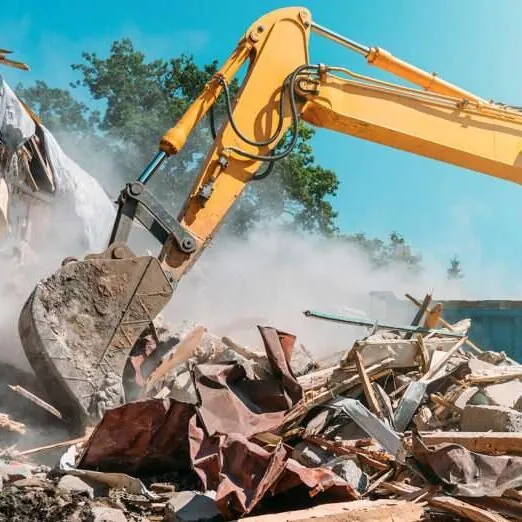 Commercial Demolition
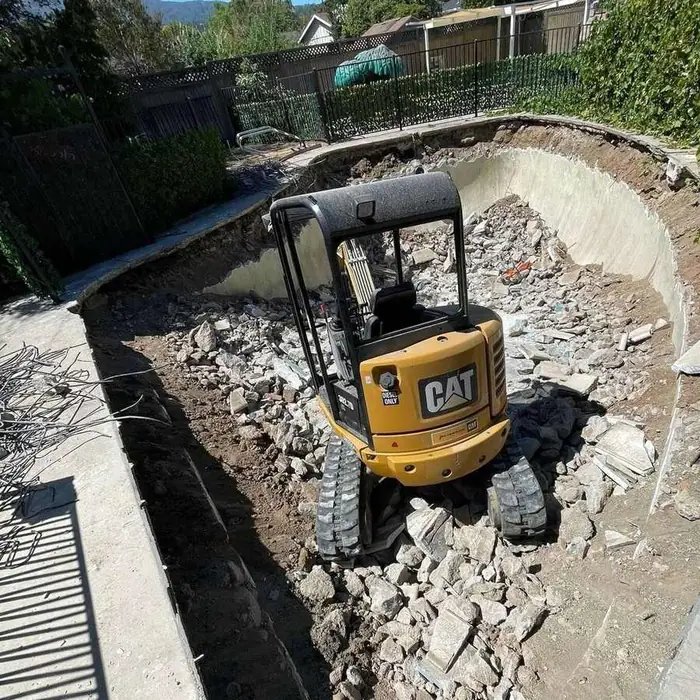 Pool Removal
 Excavation
 Concrete Removal
 Driveway Removal
 Land Clearing
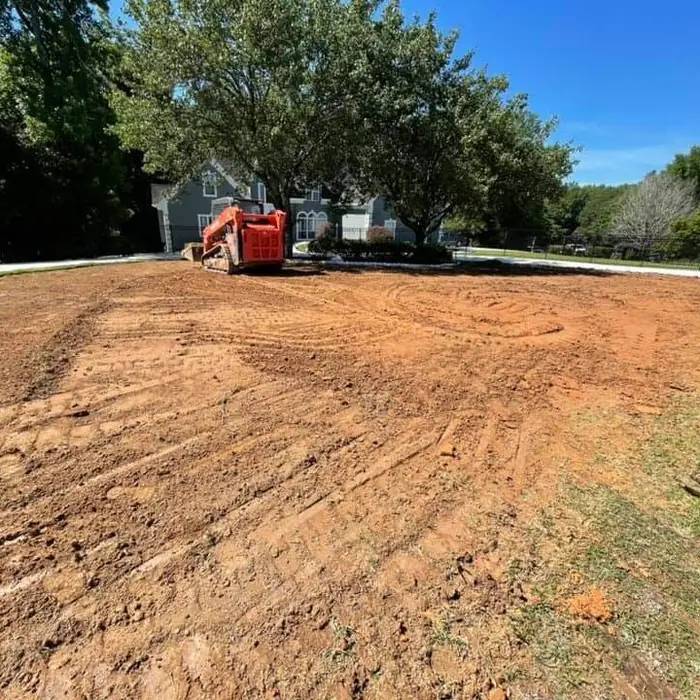 Dirt & Grading
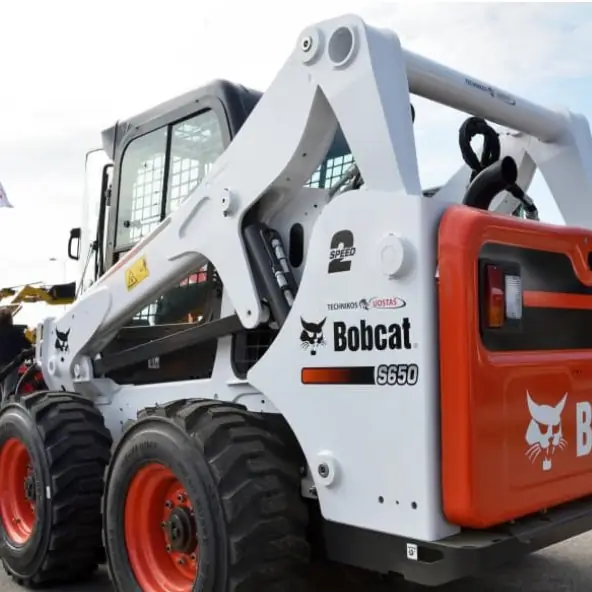 Bobcat & Excavator